
Passe au contenu principal

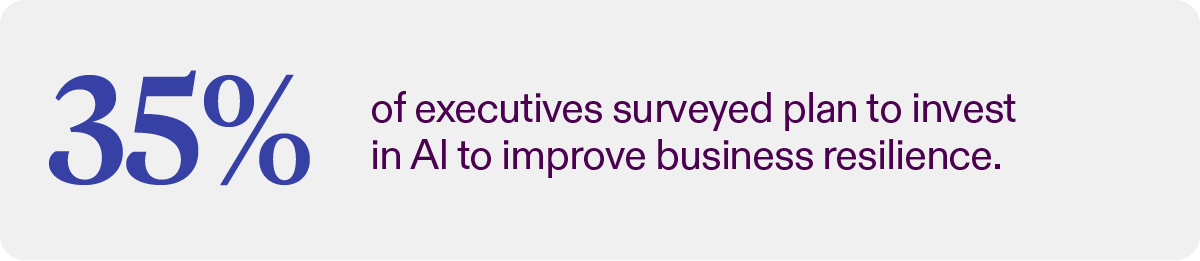
AI adoption is accelerating at a speed that outpaces regulation, governance and security controls. Behind the industry buzz lies a complex truth: agentic AI brings value, but also risk. As businesses embrace automation and autonomy, they must navigate the good, the bad and the ugly sides of AI.

Agentic AI: Promise and pressure in equal measure

Agentic AI systems are already reshaping how organisations operate. They streamline workflows, increase productivity and solve challenges previously considered too complex or costly. But power comes with vulnerability:

  • AI-generated errors can spread through networks at speed
  • Bias can distort decisions and create regulatory exposure
  • Outputs are often unpredictable or opaque
  • Cyber extortion and targeted attacks become easier and cheaper for criminals

As cyber attackers rapidly adopt the same AI capabilities, the threat landscape is evolving faster than traditional controls can keep up.

AI adoption at record speed

According to Gartner, one-third of enterprise software will include agentic AI by 2028, and the technology is already making 15% of daily autonomous decisions11. Global adoption is certain, which means businesses must actively manage the new risks that accompany these powerful tools.

Case Study: Tech that protects

Businesses are racing to adopt AI to drive productivity, stay competitive and avoid falling behind. But giving autonomous systems too much freedom creates serious operational risks - from misfires and compliance breaches to large scale harm.

Spotlight snapshots

  • AI unlocks major efficiency gains

    But also introduces fast-moving systemic risk across networks and teams.

  • Threat actors are leveraging AI to supercharge cyber attacks

    Overwhelming traditional defences.

  • Governance is not keeping up with innovation 

    Making oversight and clear guardrails essential.